
Clark-MXR, Inc. manufactures femtosecond lasers, and laser systems, and provides micromachining contract manufacturing services. Our products are used in scientific, medical, and industrial applications. Our laser micromachining services include contract development, prototyping, and parts manufacturing.
Introducing Solafab II, the latest femtosecond micromachining workstation from Clark-MXR.
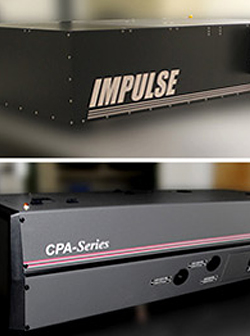
Laser Products
We pride ourselves in providing the best value, lowest cost-of-ownership, and longest service life ultrafast products in the industry.
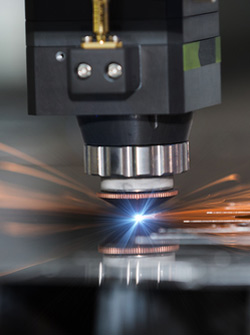
Micromachining
Clark-MXR provides custom laser micromachining of parts. Services range from the design and fabrication of one-off components to routine production runs. Clark-MXR also provides value-added manufacturing to existing componentry.
We appreciate all of your outstanding services, you’re one of best companies we’ve have dealt with.
It has been a while! But this is only because I think you guys are the last company left in this business that services their products to minimize downtime and service visits.
I can offer so far very positive experiences with the Clark-MXR fs laser system. It runs very stable indeed, as stable as one could wish and it is also a very nice system